
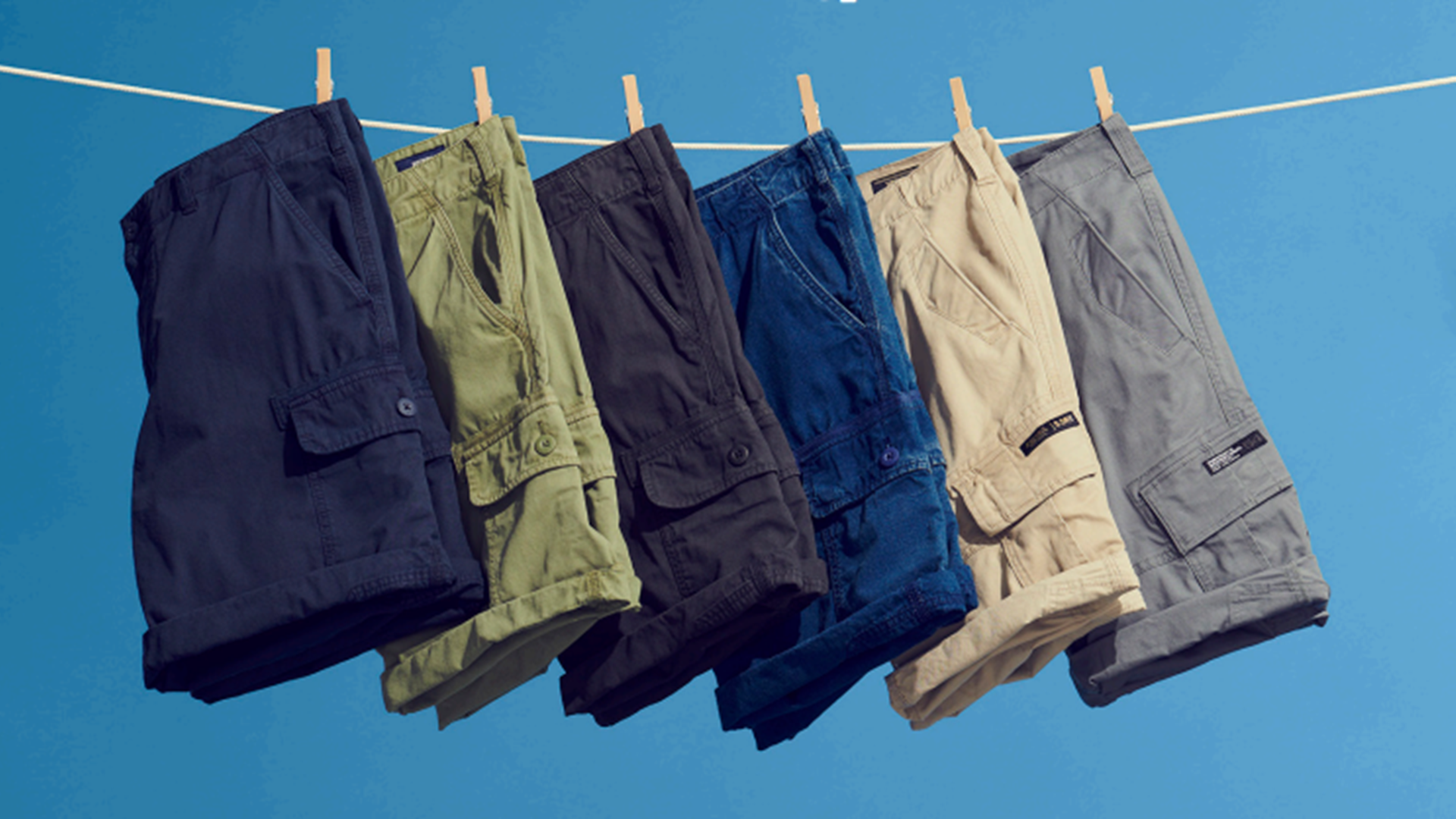
Our vision is to produce clothing made solely from low impact materials.
We know it’s the right thing to do, and that it will create a value chain of prosperous partnerships that will benefit both planet and the people on it.
All garments have a carbon, water, and chemical footprint. Our commitment is to ensure that our choice of materials demonstrates improvement in that footprint – prioritising sustainability alongside quality, price, and fairness.
FY25 Key Achievements
Over 50% of the cotton used in our products this year was organic with 27% of all organic or cotton-in-conversion traced back to our sponsored farm partners
This has helped drive our decreased water consumption per product, seeing an increase of 38% in organic cotton usage compared to FY24 (based on Worldly Higg MSI data).
74%
of all Outerwear utilised recycled shell fabric
We continued to maintain recycled fill and linings in 89% of the overall Outerwear offer.
82%
of garments produced contained
organic, low impact or
recycled materials.
This equates to 54% of all the raw materials that are sourced to manufacture our products containing recycled and low-impact alternatives to conventional polyester, nylon, modal, and cellulosic fibres; and organic or cotton-in-conversion opposed to conventional. (Organic, low-impact and recycled are defined using the Textile Exchange’s Preferred Fibre and Materials Matrix.)
Organic Cotton Conversion
Organic cotton still only accounts for around 2% of global production, based on the latest Textile Exchange Materials market report. However, we are still committed to increasing our use of organic cotton and aim for 100% of our cotton to be organic by 2030. As well as having a significant reduction in water and carbon, organic cotton farming has many other benefits including promoting local biodiversity.
Cotton alone accounts for 45% of our raw material footprint and is contained in 75% of all our products. Biodiversity in cotton-growing regions is under pressure across three dimensions – genetic, species, and ecosystem diversity. With cotton production occupying approximately 2.5% of the world’s arable land, these pressures are material, and the sector remains under scrutiny for its potential contribution to the wider decline of global biodiversity.
Over 50% of the cotton used in our products this year was organic with 27% of all organic or cotton-in-conversion traced back to our sponsored farm partners. This has helped drive our decreased water consumption per product, seeing an increase of 38% in organic cotton usage compared to FY24 (based on Higg data).
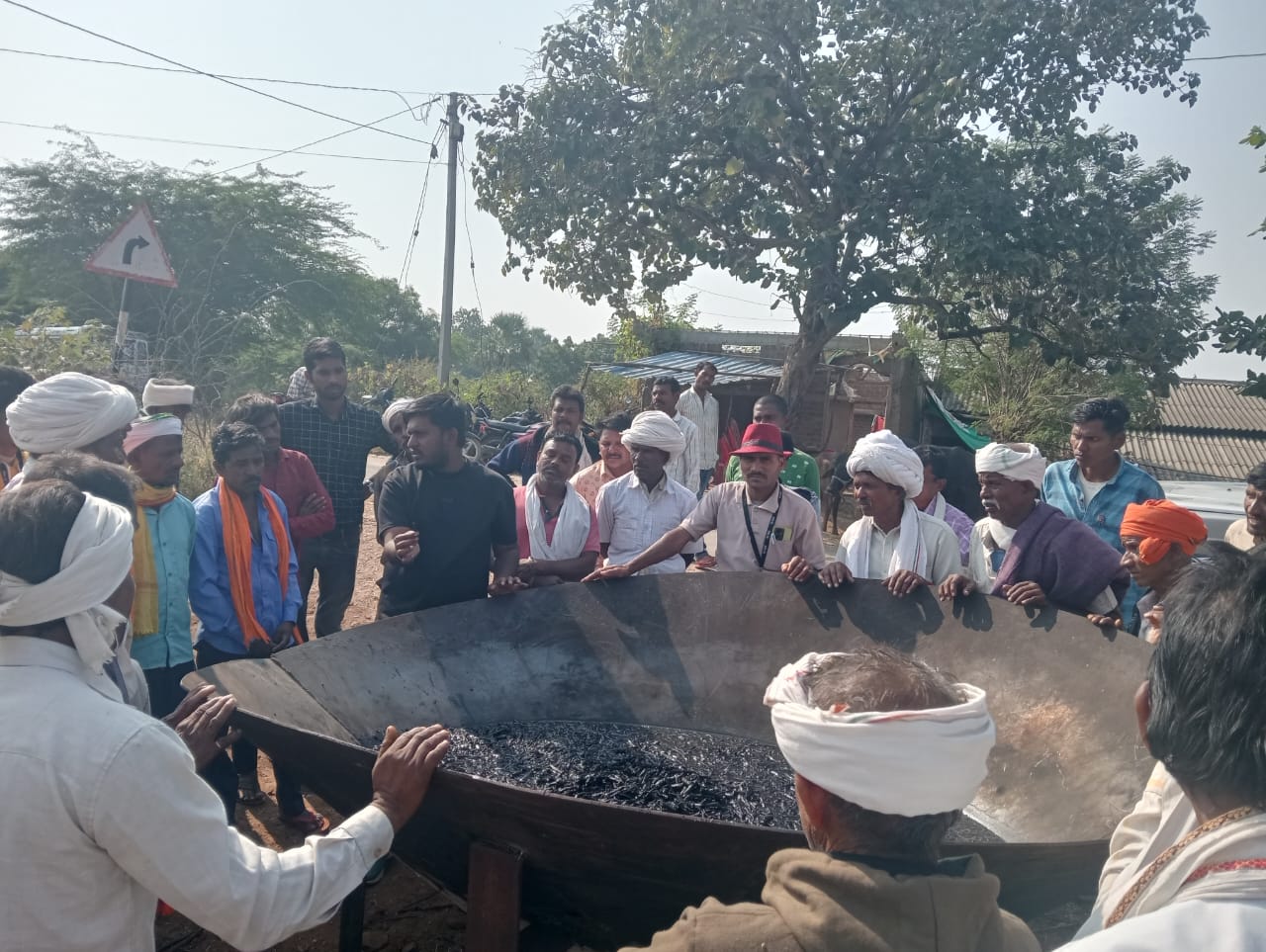
In order for the crop to be classed as organic, only negligible amounts of Genetically Modified Organisms (GMOs) are allowed to be found during the growing season. Our farm partners use other methods of pest control and fertilizers, such as installing yellow sticky traps or planting barrier crops like pigeon pea to deter predators. This season one of our partners Change Makers Agro Pvt Ltd (CMAPL) invested in a new bio input centre to teach farmers how to create fertiliser tonics using only natural ingredients. This was seen to have benefits both to the local environment and on yield.
CMAPL works with more than 12,000 small and marginal farmers in the province of Madhya Pradesh, India. All these farmers are involved in the organic cultivation of different agricultural commodities with cotton being the primary crop. More than 80% of these small and marginal tribal farmers are rainfed farmers and have average acreages of less than 1.25 hectares. These small pieces of land are undulating and lack topsoil and organic mass, a primary reason for their low productivity. This year CMAPL gave leased land and a grant to the cooperative for the establishment of an Input Centre for large scale production of biofertilizers and biopesticides. The initial bio-inputs used were soya tonics and five-leaf extract (Panch Patti Kadha) both of which are used to increase the yield of the crop and naturally deter common pests such as whitefly. In total more than 80,000 litres of both the bio-inputs were produced and distributed across the two cropping seasons. The farmers have used these bio-inputs on crops like cotton, marigold, wheat, gram and chia and found it to be useful and effective.
This year saw the end of Superdry’s Organic Cotton Accelerator (OCA) funded farmer training programme, as we now have enough farms converted to growing organic cotton to supply 100% of our cotton requirements. We are committed to increasing uptake from the farmers we have invested in by working with our supply chain and expanding into new product categories.
2025 marked our first cotton milestone target, as our aim was to switch 100% of pure cotton product to either organic or cotton in conversion. We fell just short of this target, achieving a 96% switch in terms of volume ordered. We will focus on switching the remaining 4% by working with our suppliers, design and sourcing teams.
Recycled & Low Impact Materials
This year, synthetic and cellulosic fibres contributed to 24% of our raw material footprint and each season we aim to switch more conventional polyester, nylon, modal and cellulosic fibres to recycled or lower-impact alternatives.
Outerwear is a key product category for Superdry and makes up the highest percentage of synthetic fibres use. AW24 saw the launch of recycled shells in our key jacket ranges. In FY25 74% of all Outerwear utilised recycled shell fabric and we continued to maintain recycled fill and linings in 89% of the overall Outerwear offer.
In Swimwear 100% of our range uses recycled materials.
We continue to look for new opportunities to use lower-impact materials within our ranges. With manmade cellulosic fibres (MMCF), which currently account for 7% of our product volume, being a continued focus due to their higher impact on water usage. We are committed to working with Suppliers to ensure more responsibly-sourced viscose/MMCF sources are utilised. This is an on-going project to replace non-traceable viscose with more sustainable MMCF fibre sources, such as Lenzing’s ECOVERATM, and as a Signatory Brand of ZDHC we are also committed to implementing the ZDHC MMCF guidelines with the relevant supply chain partners.
Garment Circularity
Waste in fashion contributes to the major environmental concerns about the industry.
At Superdry we are actively reducing the amount of waste we produce through continual waste- reduction strategies such as the mechanical recycling of cut waste from the cutting process, which is broken down into fibres for reuse in new yarns and fabrics to re-enter the production line.
Our initiative on recycled cotton continued with key jersey suppliers in Turkey collaborating with Else to recycle factory textile waste into new fibres, yarns and fabrics. This year alone over 72,000 Superdry T-shirts and Sweats have been produced via this process, utilising a combination of recycled cotton and recycled polyester.
Repair
We have care stations in each of our Distribution Centres, offering services for cleaning and light repairs. Through this process we repurposed 46,765 faulty items, that equates to over 20 tonnes of textiles.
We are also restructuring our buys and limiting the amount of stock we hold, and channelling any seconds and samples to our charity partners’ reuse or recycle programs, helping to raise money for good causes and continuing to promote circularity in fashion.
Charity Partners
New Life:
Items that can’t be repaired are donated to New Life, contributing significantly to the funding of essential equipment for disabled and terminally ill children. We are approaching our 10th year of support, and have donated a total of almost 100,000 cartons to the charity.
This year the Quality & Sustainability department donated 35 boxes of clothes to New Life. This was a combination of non-branded Superdry samples and inspiration samples. New Life said that our donations “make a huge difference…, directly impacting the revenue we can generate to help the disabled children and families we serve”.
Oxfam:
Our partnership with Oxfam dates backs to September 2021, and together we are creating opportunities to tackle poverty and combat climate change. In FY25, 847 items (0.45 Tonnes ) were donated via 145 boxes from across the United Kingdom and Northern Ireland with an estimated sales value of over £4.1K.
2025 was our second year of participating in Oxfam’s Second-hand September, where we encourage our whole workforce to take part in company events to promote circularity in fashion.
We utilise this time to remind staff about the work we do as a business to reduce our environmental impact whilst encouraging all colleagues to reduce their own personal footprints.
Durability Projects
We are looking forward to amplifying our work on circularity with an in-depth investigation into the durability of Superdry products. Both France and the wider EU will be putting durability in the spotlight as part of upcoming legislation, and our aim is to analyse (and ultimately extend) both the physical and emotional durability of our garments through a deep understanding of their technical and emotional credentials.